
Precautions For Rigid Flex PCB Manufacturers
Using rigid-flex circuit boards can improve reliability and performance of your electronic device. It also reduces the number of points of failure, such as contact crimps and solder joints that can fail under harsh conditions or in the event of an accidental drop. This reduces the cost of production and helps your product maintain its high-performance features and functionality.
However, it is important to understand that there are special safety precautions that must be taken into account when designing flex PCBs, just like any other electronic design. These precautions are essential to ensuring that your flexible printed circuit board is safe and reliable for use in demanding applications.
The first step is to ensure that the flex-to-rigid transitions in your PCB are designed properly. This involves utilizing techniques such as tapering the thickness of flex layers and using stiffeners. It is also critical to make sure that the flex-to-rigid interfaces are protected against moisture ingress. Moisture can degrade the dimensional stability of rigid-flex PCB materials and lead to premature failure.
Another essential safety precaution is ensuring that the pre-bake of rigid flex pcb manufacturer is low and slow. Specifically, the temperature must not exceed the glass transition temperature of the flex layer material. If the temperature is too high, it can cause delamination of the flex layer from the underlying polyimide and copper.
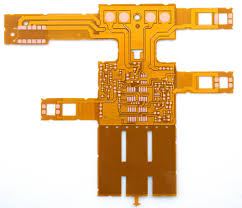
Safety Precautions For Rigid Flex PCB Manufacturers
A third safety measure is ensuring that the flex and rigid sections of your PCB are tightly fixed together. This is critical because if the flex section of your PCB becomes loose, it will create vibrations in the reflow line that can telegraph onto placed components and cause them to fall off of the flex section during the reflow process.
Ensuring signal integrity and efficient power distribution are also vital for ensuring the safe operation of rigid-flex PCBs. By prioritizing signal integrity optimization alongside efficient thermal management strategies during the design phase, engineers can lay a strong foundation for reliable and consistent performance in complex electronic products.
Rigid-flex PCBs offer the best of both worlds when it comes to reliability and durability, allowing you to achieve your design specifications in a more compact and lightweight package. They are used in a variety of applications, including industrial equipment and robotics that require high mechanical strength; networking devices such as routers and modems that require robust electrical connections; medical devices that conform to ergonomic shapes; and aircraft controls and missiles that need to withstand rigorous environmental conditions.
Choosing the right rigid-flex pcb manufacturer is critical to the success of your product. A good supplier will take your needs into consideration and ensure that your product is made according to the highest quality standards. They will also be able to provide you with the technical support and service you need to design, test, and build your product. They can also help you create a prototype to test out your design and determine whether it will work in real-world conditions.


+ There are no comments
Add yours