
HDI Circuit Boards for Automotive
Automobile electronic control devices won’t effectively function until they cooperate with mechanical systems on vehicles such as engine, chassis and vehicle digital control, especially the electronic fuel injection system, anti lock braking system (ABS), anti slip control (ASC) and traction control. These systems are supported by devices including in-vehicle communication system, automotive video system and Internet device functions. These devices are mainly controlled by PCBs that are responsible for signal transmission and multiple controls.
Compared with multi-layer PCBs, hdi circuit boards can offer much higher wiring density per unit area, thanks to laser-cut microvia technology, thinner specialty materials and finer lines. Moreover, the use of blind and buried vias can significantly reduce the size of the board while maintaining high reliability. As a result, they are ideal for applications where weight and space are primary concerns, such as in autonomous vehicles or wearable electronics.
To ensure the quality of a hdi circuit board, PCB manufacturers must adhere to strict rules and regulations that govern the selection of raw materials used in production. The material’s thickness and tolerances must match the specifications required by the customer. In addition, a PCB manufacturer should have solid technology and manufacturing capabilities to meet the demands of the industry.
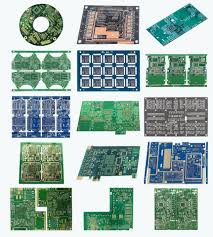
HDI Circuit Boards for Automotive Applications
Besides copper, other important raw materials in the production of a custom PCB include solder marks and silkscreen. Solder marks are thin layers of polymer that mention the labels for different components on a board. These polymer layers also dissipate excessive heat, keeping other components cool and preventing short circuits.
The manufacturing process of a custom PCB can be divided into two phases: etching and lamination. First, the inner copper layers are etched and separated by partially cured laminates. Then, they are stacked together and pressed and heated to liquify the prepregs that stick them together. Then, the stack-up is cooled and the prepregs stick together to form the final PCB.
While etching is an essential part of the PCB fabrication process, lamination is just as important. Successful manufacturing of a custom HDI circuit board requires sequential lamination cycles, as well as specialized equipment and processes. Depending on the complexity of the stack-up, the PCB may require several laminations to achieve its desired structure and performance.
As a leading supplier of custom PCBs, Candor has the advanced technology and state-of-the-art equipment to create an innovative design for your next project. Contact us today for a free quote!
hdi circuit boards are an integral component of modern automobiles and can be found in almost every electrical system. The latest cars, for example, have around 50 microprocessors, which are responsible for a variety of tasks, from directing the vehicle’s ignition to monitoring driver behavior and safety features. Increasing concern about the environment, combined with government initiatives, is driving the sales of electric vehicles at a rapid pace. This has led to an increased demand for the development of advanced automotive PCBs that will enable drivers to get the most out of their electric vehicles.


+ There are no comments
Add yours