
Cleaning Methods Are Safe For a PCB Stiffener
Creating flexible PCBs that can adapt to different environmental factors is critical to their performance and durability. PCB stiffeners provide an effective solution, but their design and application can be complicated by the many different variables that impact a flex circuit board. Stiffener fabrication involves balancing the mechanical and thermal requirements of the design, minimizing stress, and ensuring that the stiffeners remain secure in use.
One major environmental factor that impacts a PCB is the presence of moisture and rain. Moisture can cause corrosion and short circuits that can disrupt circuit boards, reducing their functionality and effectiveness. To prevent this, it’s important to seal the circuit board against moisture and rain using the proper materials and techniques.
Another environmental factor that can have an impact on a stiffener is its material composition. The choice of material for a stiffener is an important consideration, as it will determine the overall strength and durability of the stiffener. The best choice of materials for a stiffener will be determined by the design requirements, manufacturing processes, and budget constraints of the project.
For example, a stiffener with a large bend radius will be more durable than a rigid-flex board with a small bend radius. Additionally, it’s important to choose a pcb stiffener with the right thickness for the desired application. The stiffener’s thickness should be sufficient to support the weight of the components on the flex circuit board, while also providing adequate stiffness to reduce the likelihood of damage from vibration.
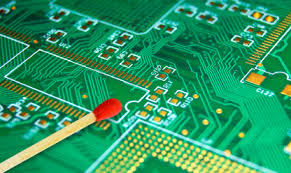
What Cleaning Methods Are Safe For a PCB Stiffener?
Another important factor to consider is the surface finish of a PCB stiffener. This can affect its ability to protect the underlying copper layer from corrosion and contamination, which can have a negative impact on solderability and electrical performance. For this reason, it’s important to choose a stiffener with a high-quality surface finish that can protect the underlying copper and resist oxidation and contamination.
The PCB manufacturing industry is increasingly aware of its environmental responsibilities, with many manufacturers adopting sustainable practices to mitigate their impact on the environment. This includes implementing waste reduction and energy-efficient production processes. It’s also important to use eco-friendly materials and to promote the reuse of existing materials. This can help to minimize the waste generated by PCB manufacturing, as well as improve the durability and recyclability of the products produced.
A PCB stiffener is an essential component used in the design and manufacturing of printed circuit boards (PCBs). It plays a pivotal role in enhancing the mechanical properties of a PCB, providing structural strength and reducing the risk of warping, flexing, or bending during the assembly or in-service conditions. PCB stiffeners are particularly important in cases where the PCB will undergo harsh mechanical stress or where precise alignment is crucial for the functioning of the device.
A PCB stiffener is typically a rigid material that is attached to the PCB, either on the top, bottom, or sides. Its primary purpose is to reinforce the board, preventing any distortion that might occur due to thermal, mechanical, or environmental stresses. Stiffeners are commonly used in flexible PCBs (FPCBs) and rigid-flex PCBs where additional support is required to maintain the integrity of the board during its lifecycle.


+ There are no comments
Add yours